
With a non-stop succession of pagodas, temples and monasteries, Myanmar is all about religious worship. What baffles non-Buddhists is about the names: what are the differences between them? Burmese use different names to devide their worship venues by functions and spiritual standings; that is just how much devoted they are.
[wpseo_breadcrumb]
Religious Sites in Myanmar ...
- The Burmans adopted Theravada Buddhism back in 1057 but the earliest Buddhism-related temples date back to the 9th by the Pyu and Mon people.
- In Myanmar, the word “Paya” is a generic term that consists of all worship places, which are believed to connect people, deities and the architectures into one holy entity.
- Greatly influenced by Hinduism and Nat worship, religious sites in Myanmar distinguish from other Asian countries both in styles and functions.
Pagodas, Temples, Stupas, Monasteries and the Differences
Burmese' life is literally all about their faith. From household's mini shrine to the enormous unfinished Mingun Pagoda near Mandalay, it's hard not to feel weak-kneed in front of these edifices. Although jamming up your itinerary with an insane amount of pagodas is not really our thing, learning something about it could actually enrich your travel experiences. Or, at least, something to dazzle your traveling pals.

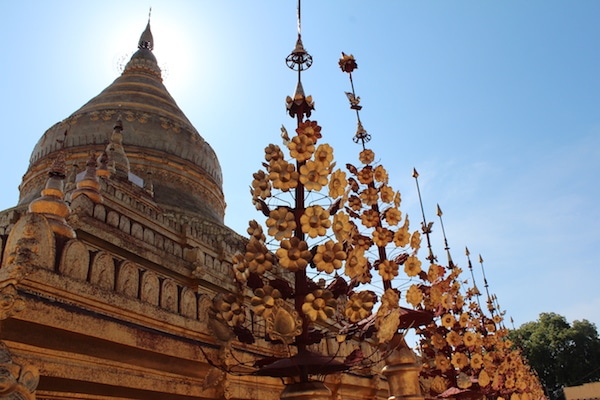
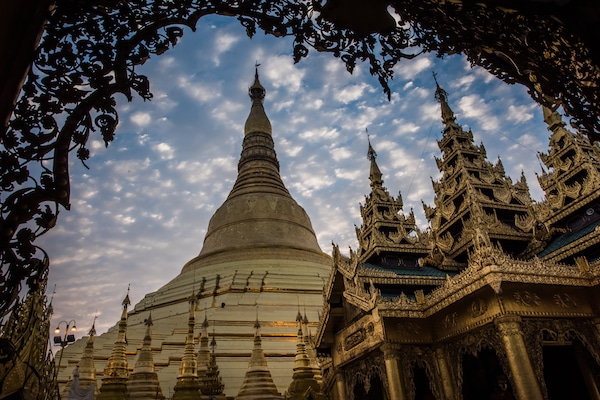
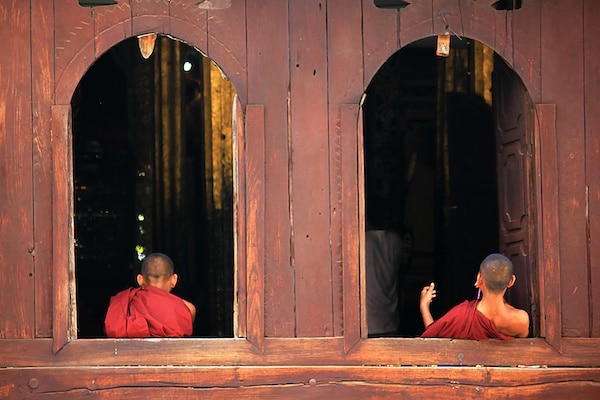
For those who have been around Asia, it's easy to spot out different names for the same structure. For example, temples in Thailand, Cambodia and Laos are "Wat"; and Thais stick to the original term of Zedi for stupas -- Zedi. Learning the meanings, features and functions of these religious places helps you understand how Buddhisam is deeply integrated with people's daily life.